Nearly 98% of UC Chile’s Energy Will Come from Renewable Sources
A historic shift in the electricity supply of Pontificia Universidad Católica de Chile will increase the share of renewable energy from 5% to 98%, bringing electricity-related emissions close to zero. This milestone will reduce the institution’s carbon footprint by approximately 14% and optimize resource use across its campuses.
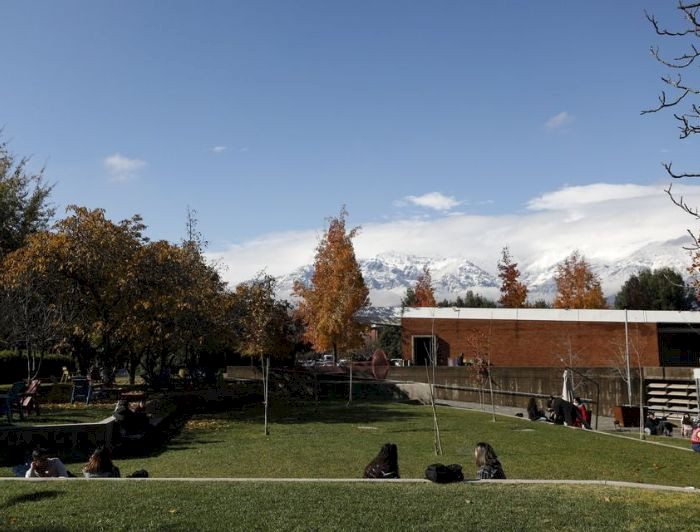
photo_camera Energy efficiency technologies, the replacement of lighting with LED systems, the automation of lighting and climate control, and awareness campaigns to foster a sustainability culture within the university community are some of the initiatives UC has implemented. (Photo credit: César Dellepiane).
Every action we take leaves “marks” on the planet, one of them is the carbon footprint. This refers to the amount of greenhouse gases (GHG) we emit through activities such as energy consumption, transportation, or product purchases. The footprint can be measured for individuals, institutions, cities, countries, and even events. To responsibly manage these emissions, strategies such as carbon neutrality aim to balance GHG emissions through reduction, capture, and offsetting, ultimately reaching a net result of zero.
In 2019, Pontificia Universidad Católica de Chile reaffirmed its commitment to sustainability and climate action by pledging to become a carbon-neutral institution by 2038. The 2024 carbon footprint assessment recorded 43,654 tCO2eq, with 16.1%-equivalent to 7,041 tons-attributed to electricity supply.
Although energy has represented a significant portion of the institutional carbon footprint, UC Chile has taken concrete measures to manage resources efficiently and reduce its impact. From 2018 to 2024, the university maintained its status as a “free customer” in its electrical supply contracts. This approach not only optimized energy consumption and generated savings but also paved the way for a broader transformation in UC Chile’s energy management.
One of the most significant steps forward is the new electricity supply agreement with Copec EMOAC, which will raise renewable energy consumption from 5% to 98%. This achievement not only dramatically reduces the university’s carbon footprint but also strengthens its leadership in the transition toward a sustainable energy future.
A Structural Change in Energy Supply
The new supply contract, signed between late 2024 and early 2025, will take effect mid-2025 once the previous provider agreements conclude. Under this partnership with Copec EMOAC, eight supply points across the San Joaquín, Casa Central, and Oriente campuses will be powered by non-conventional renewable energy sources.
Regarding the bidding process, UC Chile’s Director of Administration and Services, Josefina Edwards, explained: “One of the key criteria in our decision was ensuring the supply came from certified renewable sources, consistent with our institutional commitment to sustainability. Through this process, we secured a contract that not only guarantees optimal economic and operational conditions but also ensures that 98% of UC Chile’s energy consumption comes from renewables, further reinforcing our leadership in sustainability.”
Copec EMOAC’s CEO, Vannia Toro, added: “The energy we provide comes from 100% renewable sources, primarily wind farms, solar plants, and energy storage units. This strengthens UC Chile’s commitment to sustainability and enhances its reputation as a leader in innovation and environmental responsibility.”

Currently, the San Joaquín campus receives only 5% renewable energy, but with this initiative, it will transition to 100% clean energy. Casa Central, which until now had no renewable energy, will also reach full sustainability. Meanwhile, the Oriente campus will shift from no renewable supply to 90%.
The Lo Contador campus, although not included in this contract, has operated with renewable energy since 2022 through its free customer supply agreement. With the awarding of the new contracts, 100% of UC Chile’s free-customer supply points -where the institution can choose its energy source- will now operate exclusively on renewables.
As for the Villarrica campus, it is not yet classified as a free customer. However, it is worth noting that its electricity comes from the National Electric System, which already has a high share of renewable energy in its matrix.
At an institutional level, this change will reduce emissions by about 6,500 tCO2eq, making a significant contribution to climate change mitigation and reinforcing UC Chile’s commitment to carbon neutrality.
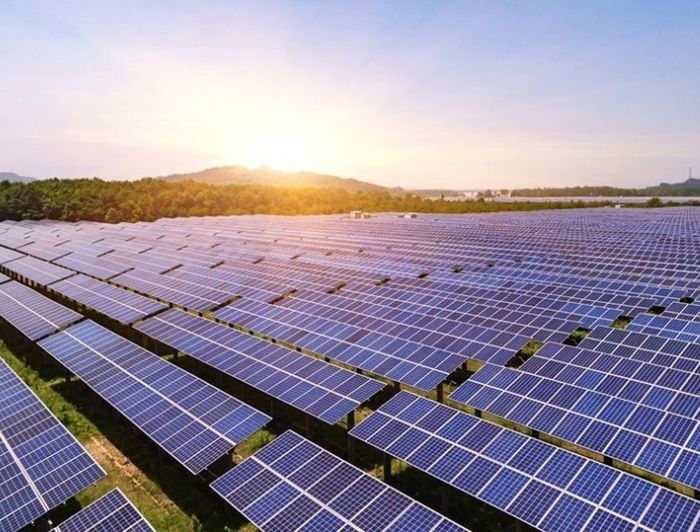
For a Sustainable UC Chile
The shift toward renewable energy is part of UC Chile’s Climate Action Strategy, which sets concrete targets for reducing the institution’s carbon emissions. A central role is played by the new Energy Management System (SGE), which allows efficient monitoring of energy consumption and ongoing improvements in resource optimization.
“This milestone is the result of years of dedicated work by the Office of the Vice President for Finance, particularly through the Infrastructure Directorate, which managed the process to classify our campus installations as free customers based on installed capacity. This step was fundamental, as it allowed us to access a renewable energy matrix under more competitive market conditions and favorable rates for the institution,” said Vice President for Finance, María Loreto Massanés.
What does it mean to be a “free electricity customer”? It allows the user to negotiate their own electricity supply, either by contracting directly with generators or by self-generating. Some of the benefits include lower total electricity costs, a reliable, competitive, and sustainable supply, and predictability in energy expenses.

The new supply contract adds to other sustainability initiatives at UC Chile, such as implementing energy efficiency technologies, replacing lighting with LED systems, automating lighting and climate control, constructing buildings under the Chilean Sustainability Certification for Construction (CES), and conducting awareness campaigns within the university community.
Provost Guillermo Marshall commented: “Signing this new renewable energy supply contract aligns fully with the university’s strategic objectives of efficiency, resource optimization, and sustainability.”
From Copec EMOAC, CEO Vannia Toro emphasized the importance of the agreement and joint work with the university: “This collaborative process was key to ensuring a renewable energy supply perfectly adapted to UC Chile’s needs across all its centers, guaranteeing a stable, efficient, and sustainable long-term energy transition.”
A Commitment Beyond
While this change represents a major milestone, UC will continue reducing energy consumption through complementary strategies such as adopting new technologies, improving climate control systems, and strengthening a culture of energy efficiency within the university community.
“This action is consistent with our Climate Action Strategy, which seeks to integrate sustainability across all areas of the university. As a higher education institution, we have a responsibility to lead by example in promoting sustainable practices,” noted Guillermo Marshall. He added: “This contract also enables us to advance toward building sustainable campuses that reflect our institutional commitment.”
With this initiative, Pontificia Universidad Católica de Chile reaffirms its leadership in the transition to a sustainable development model, demonstrating that academic excellence can go hand in hand with responsibility for our Common Home, in line with Pope Francis’ call and the university’s institutional mission.


