1000 Genomas: Mapping Chile’s Biodiversity
Across laboratories spanning Chile—from the high-altitude altiplano to the icy edges of Antarctica—scientists are using cutting-edge sequencers to turn fragments of DNA into long digital strings composed of A, T, G, and C. Each of these sequences offers a window into the evolution and adaptation of some of the world’s most remarkable species. This is the mission of 1000 Genomas, a national initiative dedicated to decoding the genetic blueprint of Chile’s plants, animals, fungi, and algae.
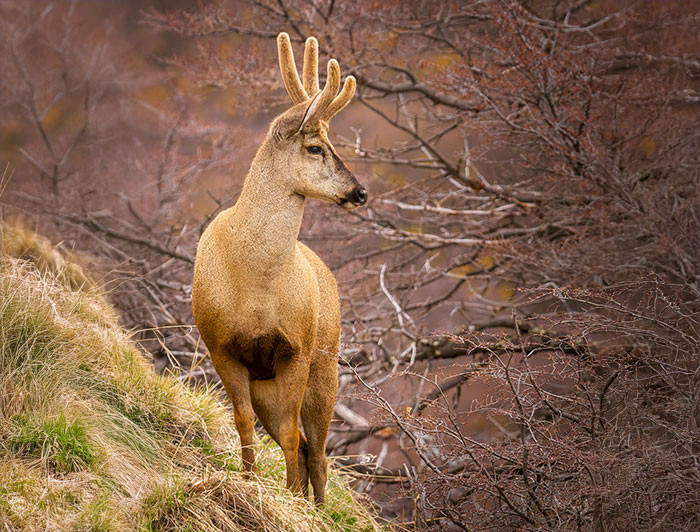
photo_camera Studying genomes reveals how life on Earth functions and evolves—and provides vital tools for addressing today’s most pressing global challenges. (Photo: Huemul/Francisco Gamboa)
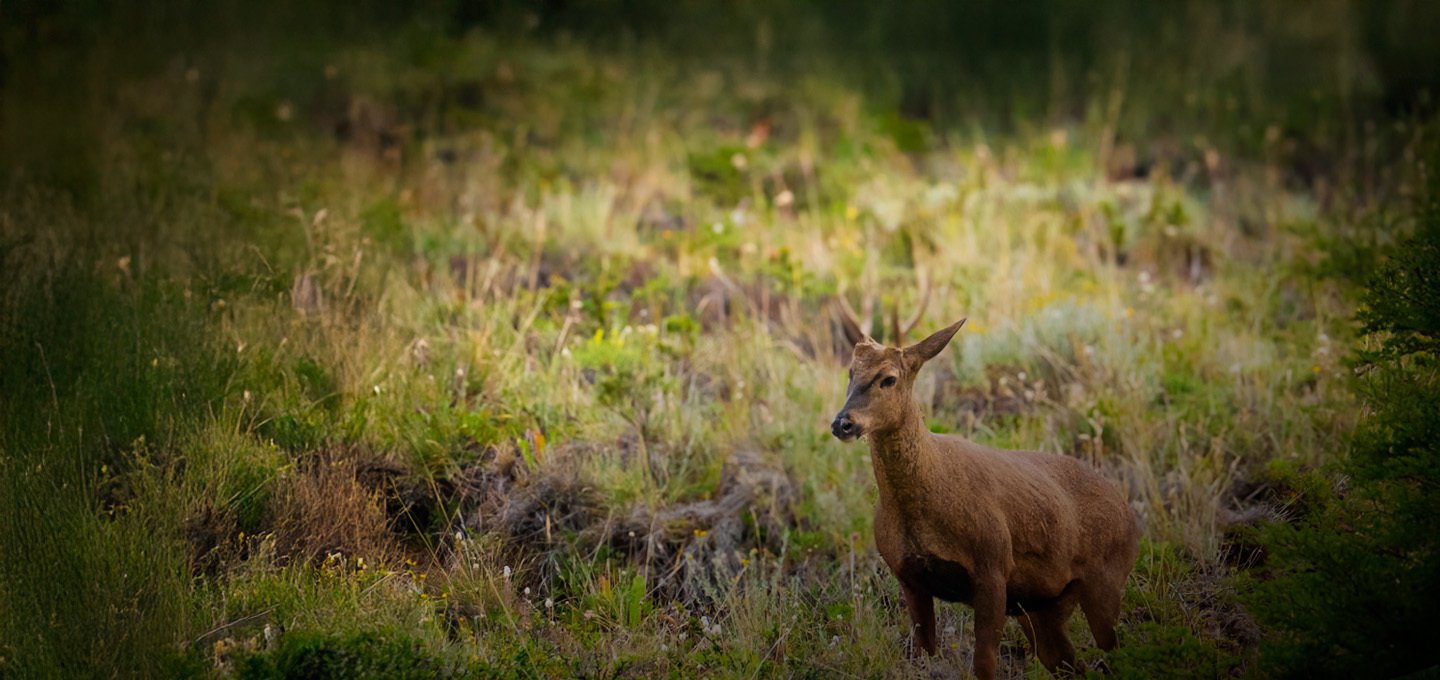
In its first year, 1000 Genomas began sequencing a wide array of species—from the southern pudu (Pudu puda) and the south Andean deer (Hippocamelus bisulcus) to the Juan Fernández firecrown (Sephanoides fernandensis), the Magellanic penguin (Spheniscus magellanicus), the copiapoa cactus (Copiapoa cinerea), the Chilean sea star (Patiria chilensis), and the Chilean jack mackerel (Trachurus murphyi), among many others.
The initiative is led by the Millennium Institute Center for Genome Regulation (CRG), in collaboration with Pontificia Universidad Católica de Chile and research institutions across the country. Its mission: to map the genetic foundations of Chile’s biodiversity.
According to Juliana Vianna, professor at the Faculty of Biological Sciences and coordinator of the initiative: “Our goal is to generate high-quality reference genomes for keystone species in Chile. We use a suite of complementary technologies, including a long-read sequencing like Oxford Nanopore, short-read platforms such as Illumina or MGI, Hi-C libraries for chromosome-level assemblies, and transcriptomes for genome annotation. Together, these tools allow us to build robust genomic resources that will underpin future research in evolution, conservation, and biotechnology.”
Genome research not only reveals how life on Earth has evolved but also provides critical tools to tackle global challenges—from climate change to the rapid loss of habitats.
Strategic Knowledge
A genome is more than a collection of genes—it is the evolutionary narrative of a species, a blueprint for adaptation, and a guide for survival. In agriculture, genomics plays a critical role: roughly 80% of recent crop yield increases are linked to genomic insights. Comparing modern corn to its wild ancestor, teosinte, has helped identify genes for traits like drought tolerance.
In Chile, radiata pine underpins the forestry industry. Genomic innovations have enabled the selection of trees that are more resistant to disease and more efficient in water use, boosting productivity.
Genetic data has also become a strategic resource for bioeconomy, driving the creation of novel foods and pharmaceuticals. In aquaculture, genomic knowledge improves cultivation by enhancing breeding and disease resistance.
The COVID-19 pandemic underscored another key role: genomic surveillance is crucial for tracking viral variants and guiding timely public health responses.
Conservation: Saving Species Through DNA
The power of genomics is perhaps best measured in lives saved. The California condor, once reduced to just 27 individuals, has made a remarkable recovery—now over 500 strong—thanks to genomically informed breeding strategies. The European bison, which went extinct in the wild in the early 1900s, has also rebounded through genetic conservation programs, now boasting a current population exceeding 9,000.
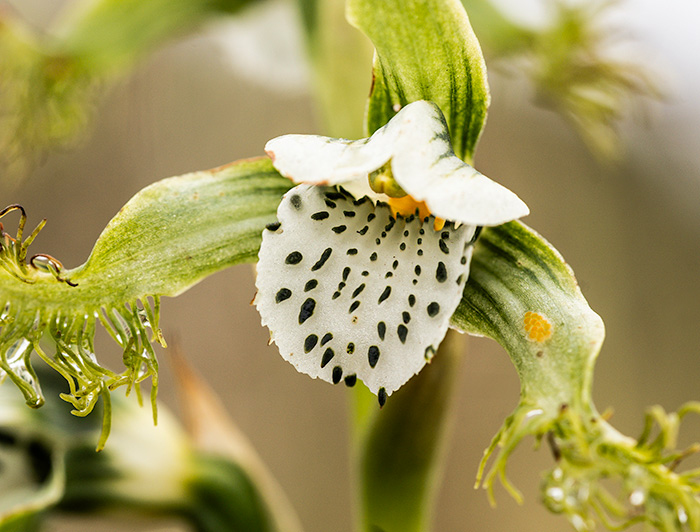
Chile faces a similar challenge: safeguarding its endemic and threatened species. The southern pudu, the southern river otter (Lontra provocax), and the Juan Fernández firecrown are among the first species prioritized by 1000 Genomas. Understanding their DNA could be the key to their survival.
Thanks to an expert selection committee, the initiative has identified 549 species for sequencing, representing a broad spectrum of biodiversity: vascular plants (28.3%), reptiles (11.6%), to freshwater and marine fish (8.9% each), fungi and lichens (9.5%), birds (6.9%), algae (4.9%), and amphibians (3%).
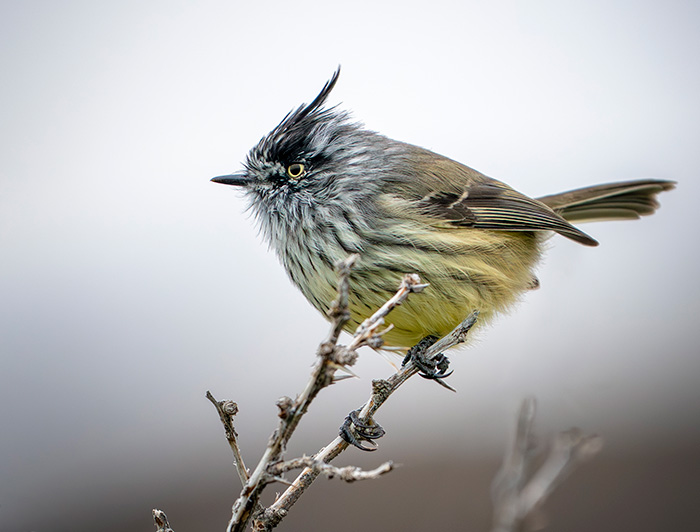
Species were chosen based on cultural importance, conservation priority, regional representation, scientific and economic value, and taxonomic diversity—ensuring a representative sample of Chile's living heritage.
A Nationwide Effort
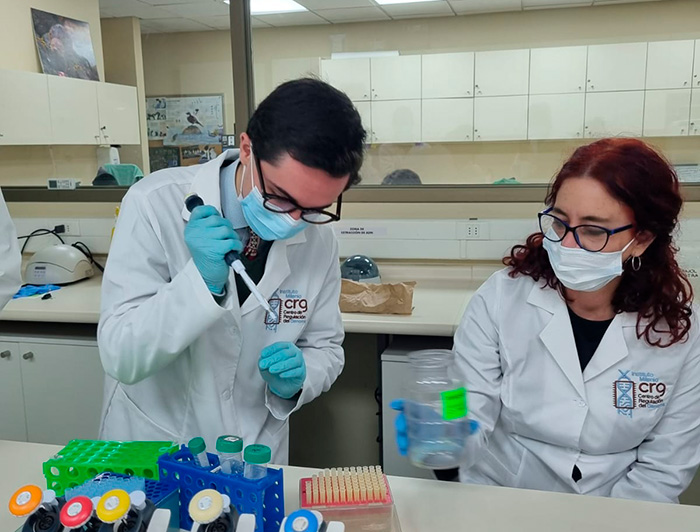
In just one year, 1000 Genomas has built an unprecedented research network: 79 scientists from 20 universities and research centers spanning 15 of Chile’s 16 regions now serve on its species selection committees. This structure ensures that the science reflects local realities and regional priorities—from Arica in the north to Magallanes in the far south.
Participating institutions include Universidad de Chile, Pontificia Universidad Católica de Chile, Universidad de Magallanes, Universidad de Concepción, Universidad de Antofagasta and Chilean Antarctic Institute (INACH), among others. Remarkably, nearly 60% of the researchers are women, bringing a collaborative, inclusive lens to the project.
The initiative is also backed by major national science centers, including: the Millennium Institute Center for Genome Regulation (CRG), the Millennium Biodiversity Institute of Antarctic and Sub-Antarctic Ecosystems (BASE), the Millennium Institute for Integrative Biology (IBIO), the Institute of Ecology and Biodiversity (IEB), the Cape Horn International Center (CHIC), the Mathematical Modeling Center (CMM) and the Advanced Center for Chronic Diseases (ACCDiS).
1000 Genomas is also part of the Earth BioGenome Project (EBP), a global effort to sequence all known eukaryotic genomes—organisms with nucleus-bearing cells and specialized organelles.
Other international collaborators include the European Reference Genome Atlas (ERGA), the Tara Oceans Expedition, the French National Centre for Scientific Research (CNRS), as well as companies and labs such as Oxford Nanopore, Illumina, Novogene, Macrogen Chile, Genexpress, Arquimed, and Bioquímica.cl. These partnerships embed Chile within the world’s leading genomics and biodiversity networks.
“Each genome we decode is like opening a new chapter in Chile’s book of life,” says Juliana Vianna, highlighting the scale of this collaborative achievement.
Science for Society
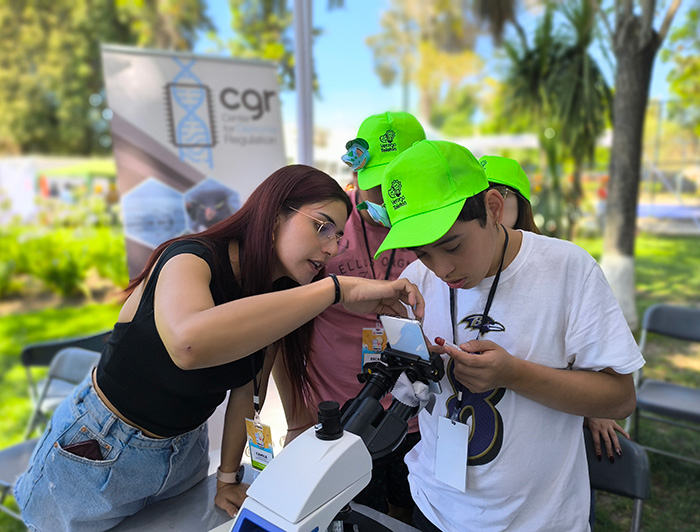
Outreach has been central to 1000 Genomas. In its first year, the program held 12 educational events across 6 regions, engaging over 2,300 children and teenagers. From DNA workshops in rural classrooms to public science fairs, the message is clear: genomics belongs to everyone—not just the lab.
The long-term vision? To build the most comprehensive genetic map of Chilean biodiversity. This resource will illuminate how species adapt to extreme environments—from the Atacama Desert to the Antarctic—and unlock opportunities in biotechnology, resilient agriculture, aquaculture, and strategic conservation.
Another pillar of the project is training the next generation of scientists. PhD students and postdocs lead many of the efforts in fieldwork, lab research, and data analysis—gaining hands-on experience while shaping the future of Chilean genomics. By generating frontier knowledge and nurturing talent, 1000 Genomas is positioning Chile as a regional leader in biodiversity science.
“Looking ahead, we aim to strengthen ties with regional governments, secure private funding, and influence public policy. We also plan to create biorepositories and biobanks to preserve this knowledge for generations to come. What begins today with an initial 30 genomes can become a lasting scientific and strategic heritage for Chile,” says Juliana Vianna.
Chile—a long, narrow country—is now reading its own book of life. And like any great story, it has the power to transform how we see ourselves—and our place in Earth’s web of life.
- Mammals: southern pudu (Pudu puda), southern river otter (Lontra provocax), north Andean deer (Hippocamelus antisensis), south Andean deer (Hippocamelus bisulcus)
- Birds: Juan Fernández firecrown (Sephanoides fernandensis), Chilean skua (Stercorarius chilensis), south polar skua (Stercorarius maccormicki), gentoo penguin (Pygoscelis papua), chinstrap penguin (Pygoscelis antarcticus), Antarctic gentoo penguin (Pygoscelis ellsworthi), Magellanic penguin (Spheniscus magellanicus), Antarctic shag (Leucocarbo bransfieldensis)
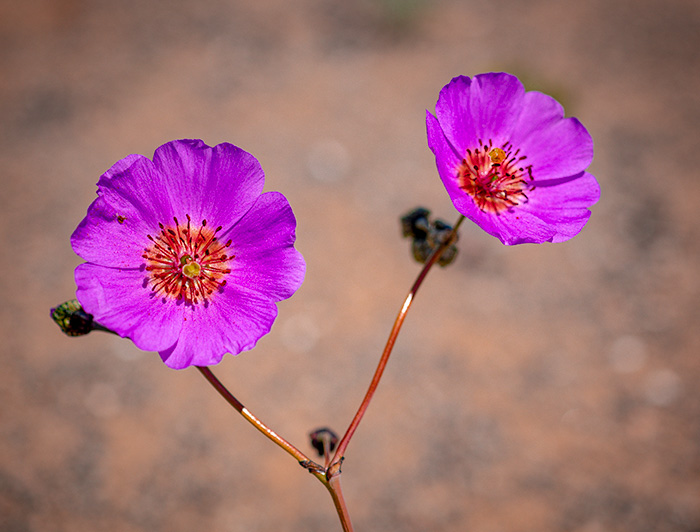
- Plants: Antarctic hair grass (Deschampsia antarctica), copiapoa cactus (Copiapoa cinerea), rodocála (Rhodophiala rhodolirion), Chilean strawberry (Fragaria chiloensis), cistanthe (Cistanthe longiscapa) colobanthus (Colobanthus quitensis).
- Invertebrates: cave sea urchin (Abatus cavernosus), Chilean sea star (Patiria chilensis), jumbo squid (Dosidicus gigas)
- Fish: Chilean jack mackerel (Trachurus murphy), blue grenadier (Genypterus blacodes)


