UC Chile PhD Students Innovate in High Impact Sustainable Foods
Protein products based on Chilean algae and beans, harnessing the potential of fungi, producing powdered foods sustainably, and expanding the understanding of gestational diabetes — those are some of the research projects being conducted by UC Chile doctoral students as part of a partnership with Nestlé, demonstrating that science with a purpose drives social and environmental change.
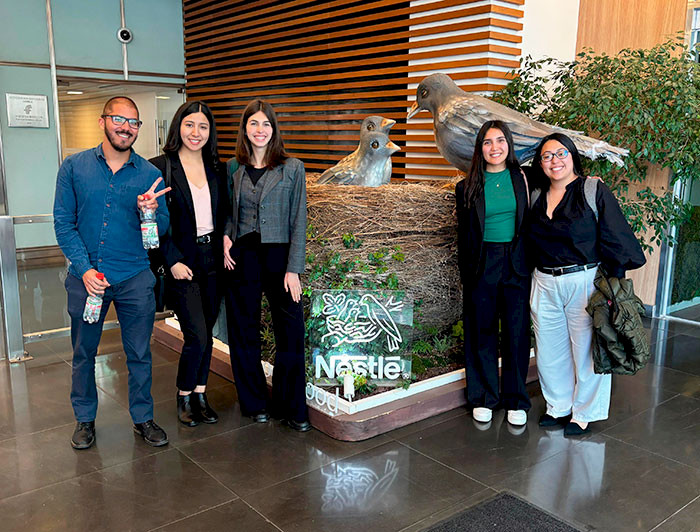
photo_camera Five students from the Engineering and Sciences with Industry PhD program are innovating with more nutritious and sustainable foods and production processes, as part of the partnership that UC Chile has had with Nestlé since 2003. (Photo credit: Katherin Silva)
According to the UN, by 2050 there will be 9.7 billion people on the planet. To feed this entire population, it is estimated that food production will need to increase by 70%. This is a challenge that the global industry is already working to address by promoting and creating new, more nutritious and sustainable products.
This is why, since 2003, UC Chile Anacleto Angelini Innovation Centre and the PhD Program in Engineering and Science with Industry, in partnership with the multinational Nestlé, have been promoting scientific excellence and a form of research that translates knowledge into concrete solutions for daily life. Thus, this alliance integrates academia and industry, generating purposeful innovation and demonstrating that doctoral research can become an engine of social, economic and environmental change.
As stated by Vice President for Research and Graduate Studies María Angélica Fellenberg, “this collaboration reflects UC Chile’s mission of promoting knowledge in the service of the common good. Doctoral research not only understands the world; it seeks to transform it. When universities and industry work with vision and purpose, science becomes a tool to promote sustainability, drive responsible innovation, and generate a long-lasting impact on society.”
The perspective from the industry also emphasizes this purpose. Aline Mor, Head of Nestlé R&D LATAM, states that “incorporating PhDs is essential not only because it enables the development of new technological and scientific solutions, but also because it contributes to the training of professionals with a comprehensive understanding of the needs of the productive sector, both public and private.”
Beans in the age of plant-based proteins
Beans have been a staple food in the Latin American diet for centuries, bringing together history, identity and nutrition. Today, this ingredient is once again taking center stage thanks to the research of Romualdo Paz, a biotechnologist and PhD student from the Doctoral Program in Engineering and Science with Industry, who is working to revalue local bean varieties, transforming them into functional and sustainable ingredients.
Paz’s research seeks to understand how different varieties and processing methods influence the functional properties of proteins and derived emulsions, maximizing their potential in nutritious, modern and environmentally friendly foods.
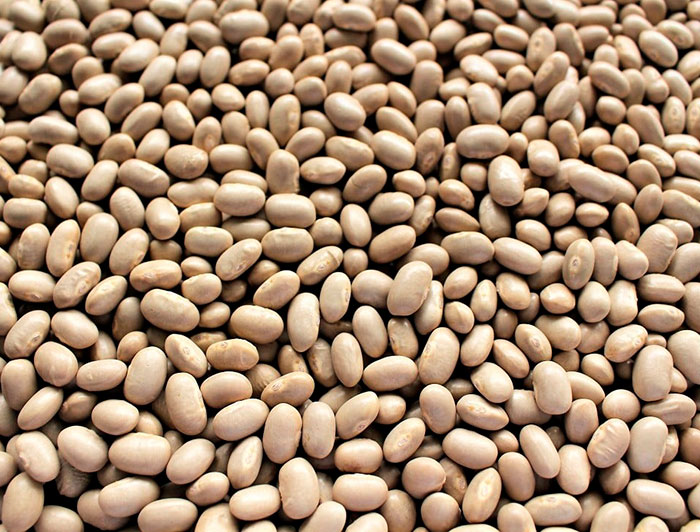
“I am researching how to transform the Chilean bean, which we know from our traditional foods, into a modern ingredient capable of replacing milk or soy protein in products such as beverages, yogurts or plant-based creams. I want us to be able to have Chilean bean protein products in the future that are tasty, healthy, and produced in our country”, noted Romualdo Paz.
This line of research connects agricultural tradition with technological innovation, giving new life to a flagship Latin American crop. By strengthening the value chain of the bean, it promotes the participation of small-scale farmers, and generates a double social benefit: farmers gain prominence in a competitive market, and consumers have access to nutritious foods made with local raw materials. Additionally, this initiative promotes a more sustainable production model that reduces the ecological footprint and favors fairer and more sustainable food systems.
The hidden potential of Chilean algae
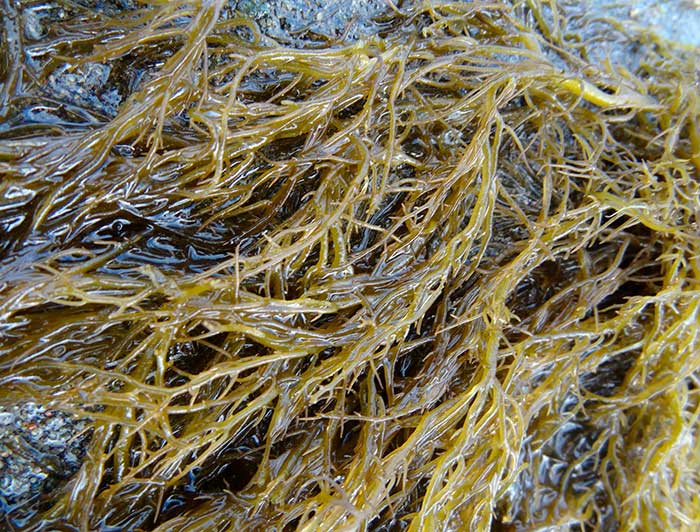
The Chilean coastline spans over 6,000 kilometers and has exceptional marine biodiversity, with enormous potential for the development of new products and biotechnologies. In this context, Javiera Molina, a pharmaceutical chemist and PhD student in Engineering and Science with Industry, is leading a project that seeks to transform seaweed into sustainable and functional proteins that can be integrated into innovative food products.
Her research uses extraction techniques with natural solvents (NaDES), which reduce water and energy use in contrast to traditional methods, resulting in more environmentally friendly and efficient process.
Among the species analyzed, especially notable are Macrocystis pyrifera and Gracilaria chilensis (known in Chile as pelillo) from the Pyropia genus, which are recognized for their nutritional and functional value. “This project has the potential for a positive impact on multiple levels. For the industry, it offers a more sustainable and efficient process; at a scientific and social level, it expands knowledge about proteins from Chilean seaweed and promotes its inclusion in foods; and locally, it adds value to a key natural resource for Chile, creating opportunities for coastal producers and communities,” notes Javiera Molina.
This research allows the results to go beyond the laboratory and be scaled up to industrial levels. If successful, this research could position Chile as a global leader in marine biotechnology applied to food, promoting a blue economy based on innovation, sustainability, and the valorization of local resources.
Secrets of the forest: Macrofungi
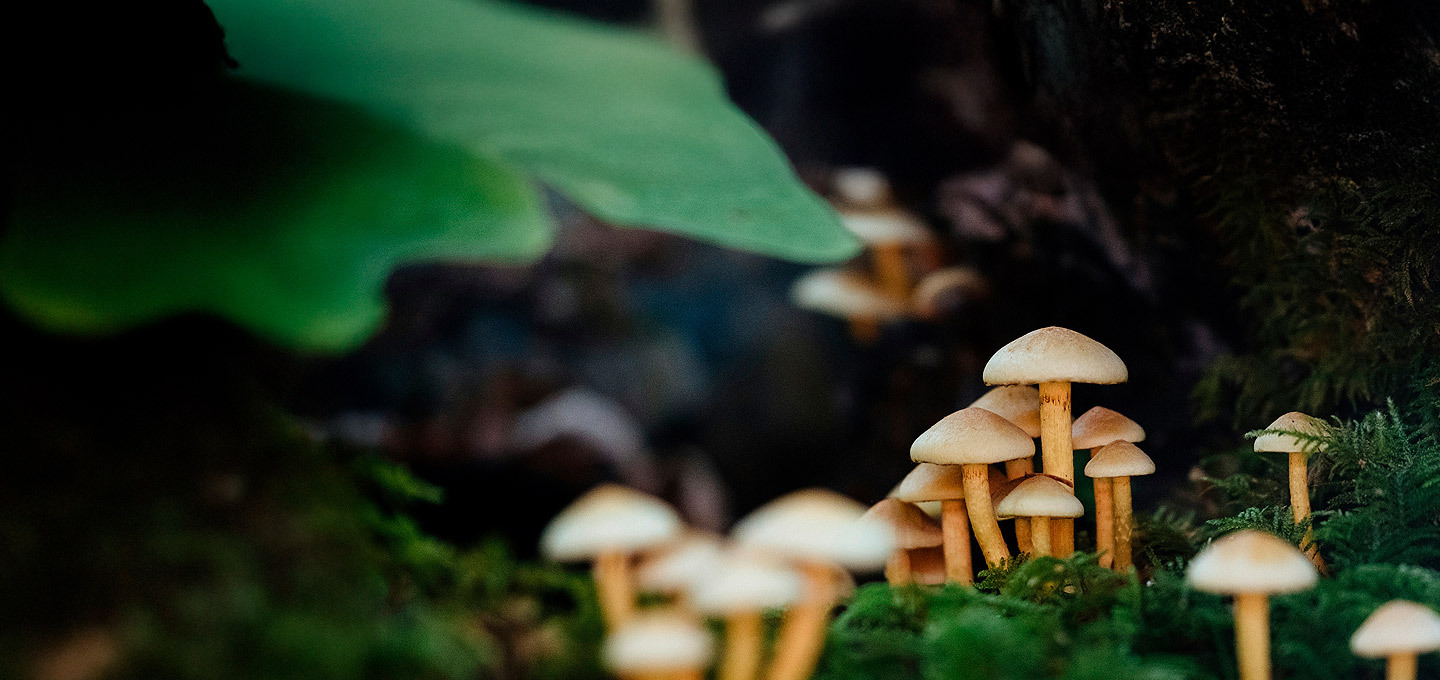
In forests around the world, fungi play essential roles in ecosystems, regenerating life from decomposition. Inspired by this natural intelligence, Natalia Caballero, a production engineer from Universidad Privada Boliviana, Bolivia, and student in the UC Chile PhD Program in Engineering and Science with Industry, is leading a project that explores the potential of macrofungi—those visible to the naked eye—as innovative, nutritious, and environmentally friendly ingredients.
Her research integrates minimal processing and bioprocessing to enhance the nutritional density and functional properties of these macrofungi, establishing a scientific framework that drives their application in innovative, nutritious, and sustainable foods. In this context, collaboration with Nestlé has been key to taking her research beyond the laboratory, enabling technological transfer and industrial scaling.
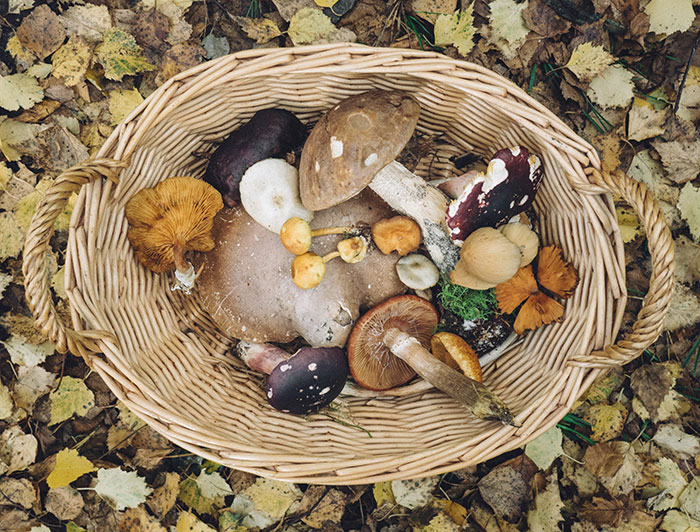
“It is no coincidence that fungi have these functional and sustainable characteristics. In their many forms and habitats, they sustain life in most ecosystems. Industry and science must learn from these behaviors and channel this potential so that food design is compatible with nature. Achieving this requires interdisciplinary thinking and innovation. In this regard, the UC Chile Gastronomic Engineering Laboratory is unique in Chile and around the world, because its approach allows for interaction that drives pioneering ideas and initiatives,” explains Natalia Caballero.
This project also promotes the valorization of local resources, the development of a green economy, and greater awareness of the relationship between forest ecosystems and food. With this comprehensive approach, macrofungi cease to be mere silent forest inhabitants and instead become strategic allies for human health, industrial innovation, and environmental sustainability.
The challenge of large-scale clean production
The rise of powdered foods, from infant formula to protein drinks, poses a challenge: how can we produce them sustainably without sacrificing quality or functionality? This is the question addressed by Camila Sánchez, chemical engineer and student in the PhD Program in Engineering and Science with Industry, who is working on cleaner and more efficient processes using soy as a model.
“Although plant-based foods are often considered sustainable, current processes are resource-intensive and their environmental impact can be high. I seek to optimize these processes without sacrificing nutritional quality and, at the same time, reduce their environmental impact,” explains Camila Sánchez.
Thanks to the collaboration with Nestlé, Camila Sánchez is integrating laboratory knowledge with industry experience, taking into account product functionality, technological viability, and the feasibility of applying these processes to large-scale production. This project aims to transform the way the industry develops plant-based food products, promoting responsible practices and technologies that balance innovation, nutrition, and sustainability.
New approaches to combating gestational diabetes
Maternal health is a pillar of social welfare and sustainable development. Along those lines, Katherin Silva, biochemist from Pontifical Catholic University of Valparaíso and student in the PhD Program in Engineering and Science with Industry, is researching the mechanisms that contribute to the development of gestational diabetes, a condition that occurs in approximately 14% of pregnancies worldwide, according to the World Health Organization (WHO), with a sharp increase in recent years.
“It inspires me to contribute to the knowledge of this disease in order to improve maternal and child health,” explains Katherin Silva. Her research examines how different factors during pregnancy affect vascular function and glucose regulation, contributing to the prevention of gestational diabetes.
Collaboration with Nestlé has been key to accessing tools and data, connecting scientific findings with potential nutritional solutions and strategies that can be applied in the industry.
Katherin Silva also works on evaluating dietary interventions and preventive strategies that could reduce the risk of gestational diabetes, providing useful information for dietitians, doctors, and public health policymakers.
“The social impact of this project lies in broadening the understanding of gestational diabetes, promoting the prevention and improving the health of mothers and children, and encouraging nutrition based on scientific evidence,” adds the doctoral student.
Science with real impact
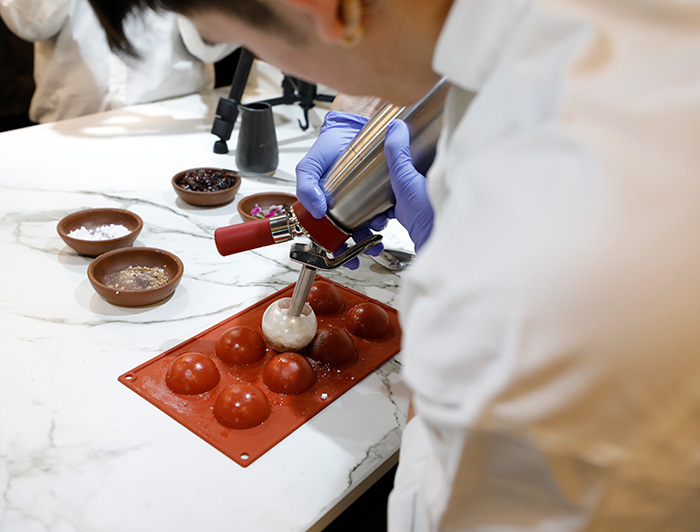
The UC Chile–Nestlé alliance reflects a shared vision of science with purpose and social commitment, which transcends immediate challenges and seeks to redefine how Chile produces, consumes, and envisions its future. The doctoral research carried out within the framework of this collaboration aims to demonstrate that applied science, when guided by a clear vision, can change lives, strengthen communities, and foster sustainable markets.
Specifically, this alliance with Nestlé’s Research and Development Center in Latin America has included support for doctoral students at UC Chile, as well as innovation and entrepreneurship challenges for students and startups.
Today, in the laboratories of UC Chile and Nestlé, innovation with purpose is taking shape: science that understands the world’s challenges and seeks to address them.


